Construction Dumpster Rental in New Albany, OH
A construction dumpster rental in New Albany keeps your job site clear and your crew moving. Debris piles up faster than a team can work around it, and a cluttered site slows everything down. So you drop a bin right on site. The crew tosses debris as they go. Work keeps moving and nobody loses half a day hauling.
On a deadline? Book online or call to get a bin on site fast.
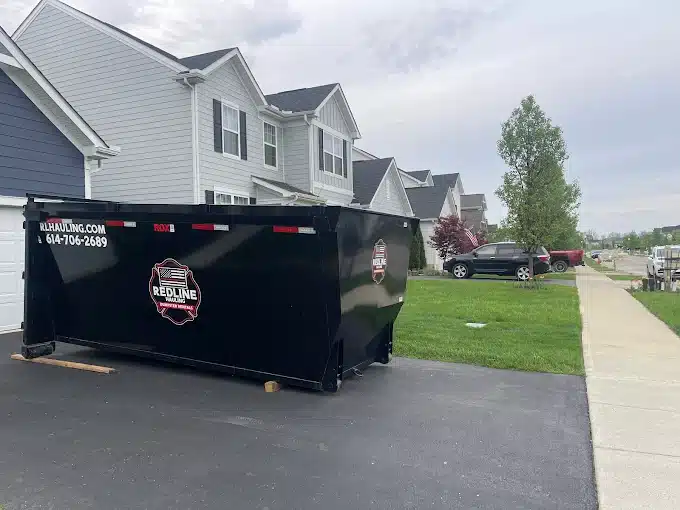
Clearing job-site debris in New Albany
Every build makes a mess. Roofing tear-offs, demo, framing scraps, torn-out drywall, broken concrete. Leave it in a pile and someone trips, or you burn half a day carting it off in pickup beds. A bin right on site fixes that. Crews working in the New Albany Business Park or on remodels around town keep one close so debris never gets ahead of the schedule. Toss it as you work. The site stays safe, open, and ready for the next phase. A clear path also keeps deliveries moving, since a truck full of lumber or fixtures needs room to pull in and unload. Wind is the other reason. Loose scrap blows around an open lot, and a bin keeps the lightweight stuff from scattering into the street or a neighbor’s yard.
Matching the dumpster to the build
Two sizes cover most job sites. Match it to the load, not just the look.
About 4 to 5 pickup loads. Good for a roofing tear-off or a single-room remodel. Handles shingles, drywall, and framing scraps.
About 6 pickup loads. Good for a new build or a full demo. Handles bulk debris, flooring, and mixed material.
Heavy debris like concrete? The 15-yard hits its weight limit before it ever looks full. Light, bulky scrap? The 20-yard gives you the room you actually need.
Loading heavy material the right way
How you load it matters. Heavy stuff like concrete, brick, and shingles is dense, so it adds up by weight long before the bin looks anywhere near full. Spread it across the bottom instead of dumping it all in one corner. Keep the load even and low. Don’t stack debris above the top rail, or the bin can’t be hauled and the crew waits. And some material needs special handling. Hazardous waste, certain chemicals, and items with coolant may not be allowed in a standard bin, and some providers take specific items for an extra charge. Ask before it goes in. A quick heads-up on pickup day keeps the haul moving and saves everyone a return trip. Dirt, gravel, and clean fill are heavy too. A little is okay, but a big pile often needs its own bin, so check before you load a mound of it.
Keeping the site safe and on schedule
A clear site is a fast site. Put the bin where crews can reach it without crossing the active work zone. Keep the walking paths open and the staging area clean. When it fills, swap it before debris starts stacking on the ground around it. A clean site passes inspection easier and keeps your crew from wasting time stepping around junk all day. Working a job nearby? Check out our construction hauling in New Albany to get rolling.
Which build phases fill a bin fastest
Demo is the heavy hitter. Tearing out walls, floors, and old fixtures throws off more debris than any other stage of the job. Framing comes next, with cutoffs and the packaging that new material shows up in. Roofing dumps a load of shingles all at once. Finish work is lighter but steady, with drywall scrap, trim ends, and a steady stream of empty boxes. Knowing which phase you’re in helps you call for the right size and the right number of swaps before the pile gets ahead of you.
Common questions about construction dumpster rental in New Albany
What can’t go in a construction dumpster?
Most building debris is fine. The exceptions are hazardous material, certain chemicals, wet paint, fuel, and items with coolant, plus things like propane tanks. Those need special handling and may not be allowed in a standard bin. Ask first if you’re not sure, and keep them out of the load until you get an answer.
How do I handle heavy stuff like concrete or shingles?
Spread it out and keep the load low. Dense material hits the weight limit fast, so it often makes sense to keep heavy debris in its own bin. The 15-yard handles it well.
Can I swap a full bin in the middle of a job?
Yes. Long builds do this all the time. We haul the full one and drop an empty in its spot so the crew never stops working. On a multi-week job, a couple of swaps keep the debris from ever piling up around the site.
Where should the bin sit on an active site?
Somewhere the trucks can reach without blocking the work. A driveway, a flat staging area, or the edge of the lot all work. Keep the path clear for drop-off and pickup.
Keep your crew moving and your New Albany site clear. Book online or call now to schedule your bin.
Comments are closed.